
Comprehensive Accessibility Assessments
End-to-end evaluation of parking, routes, entrances, ramps, restrooms, signage, navigation, service areas, and digital access points.
Strategic Accessibility · Universal Design · Inclusive Development
A place, service, program, or website may meet a requirement and still be hard for a real person to use. Beyond The Ramps helps organizations create barrier-free access that supports safety, dignity, independence, participation, and belonging.
We look beyond a single feature or checklist to understand how people actually arrive, enter, move, communicate, receive services, participate, and experience an organization from beginning to end.
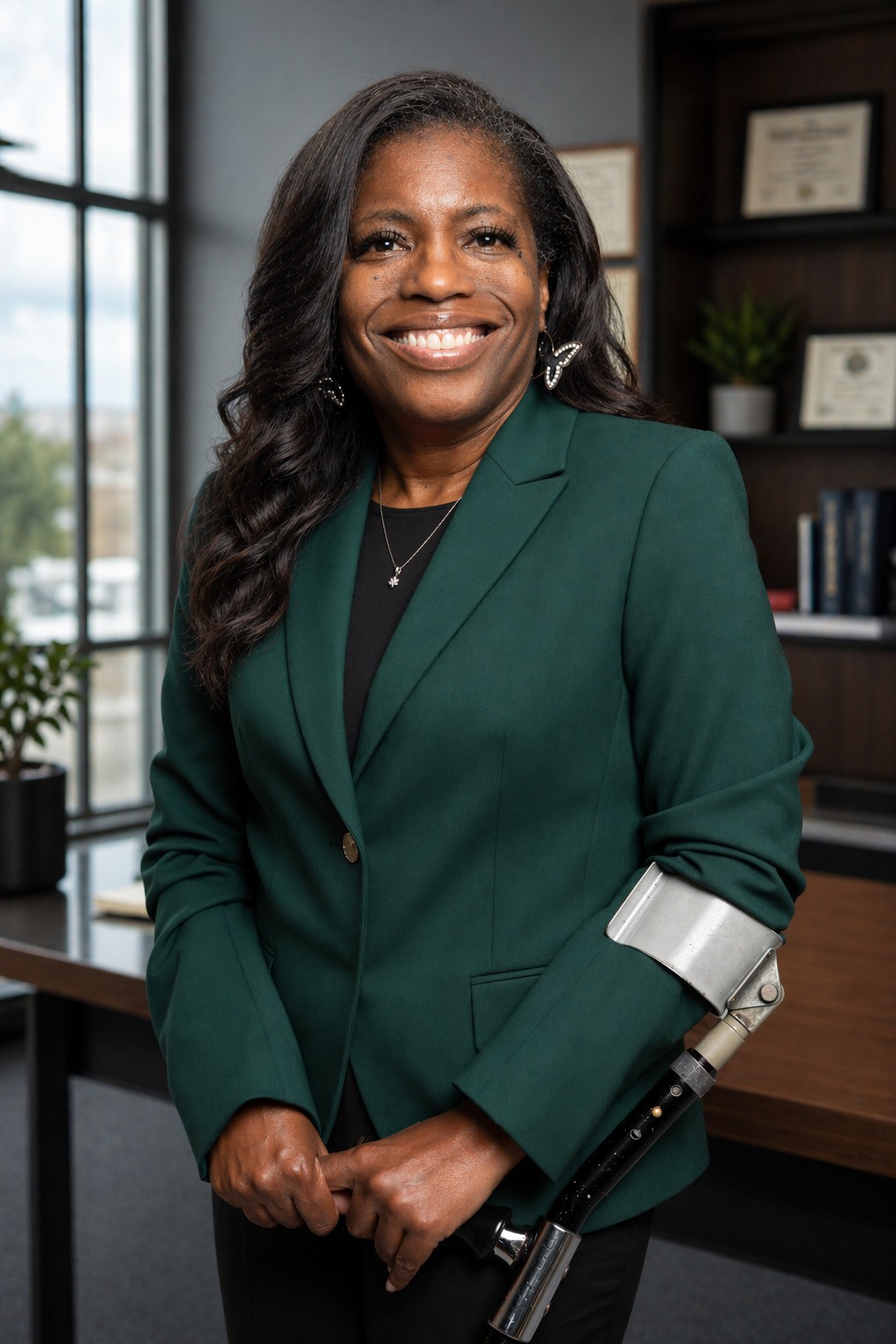
The Difference
Code minimums matter. They do not always tell the whole story.
A ramp may meet slope requirements and still collect water after rain. A doorway may meet a minimum width and still be difficult to open. An accessible route may technically exist but be hidden, poorly lit, blocked, confusing, or unsafe. A website may contain a form but still prevent someone from completing it independently.
Beyond The Ramps helps organizations identify barriers that measurements, policies, plans, and checklists may not reveal.
Culture Change
The Beyond The Ramps Culture Change Model moves organizations from reacting to barriers toward sustaining a culture of access.
Understand the current environment, experience, priorities, and barriers.
Determine how accessibility affects people, operations, services, facilities, technology, and goals.
Create practical priorities and an accessibility roadmap.
Move recommendations into meaningful action.
Equip leaders, employees, departments, contractors, and stakeholders.
Build accessibility into future planning, development, communication, procurement, and decision-making.
Move accessibility from an individual initiative into organizational culture.
Compliance establishes the foundation. Strategy creates direction. Education influences behavior. Culture sustains the change.
Who Benefits
Inclusive planning is not a narrow accommodation. It improves safety, ease, and dignity for the whole community.
…and anyone who benefits from a safer and easier-to-use environment.
Services
End-to-end evaluation of parking, routes, entrances, ramps, restrooms, signage, navigation, service areas, and digital access points.
Identify physical, operational, communication, and digital barriers — then prioritize by safety, urgency, usability, cost, and long-term value.
Strategic guidance before plans and construction are finalized, so barriers are never built in the first place.
Real-world usability input on acquisitions, blueprints, and renovations — from arrival to the full user journey.
Websites, online forms, PDFs, appointment systems, videos, portals, and digital documents that work for real people.
Leadership and team education, plus sustained advisory support that keeps accessibility moving forward.
What Compliance Can Still Miss
Three common scenarios where meeting a requirement is not the same as working for a real person.
Compliance View
The lot has the required number of accessible spaces with proper signage.
Barrier-Free Access View
The accessible spaces are at the far end of the lot, the route to the entrance crosses a drive lane without a curb cut, and there is no covered waiting area — so arrival in rain or darkness becomes difficult or unsafe.
Compliance View
The doorway meets the minimum clear width and has an accessible opener.
Barrier-Free Access View
The opener is mounted too high to reach from a wheelchair, the door swings into a narrow vestibule with no turning space, and the threshold plate catches wheelchair casters and cane tips.
Compliance View
The website has a contact form and the page passes an automated scan.
Barrier-Free Access View
The form's labels disappear on focus, error messages are announced only by color, required fields are not identified to screen readers, and a keyboard user cannot reach the submit button.
Industries
Property value, tenant experience, and long-term usability.
Build it right the first time — before barriers are poured.
Every guest can arrive, browse, and be served with dignity.
Access that supports safety, independence, and care.
Municipal accessibility strategy and transition planning.
Schools, colleges, and campuses where everyone participates.
Welcoming congregations and community gathering spaces.
Safe, navigable facilities for every worker and visitor.
Homes that work for residents across a lifetime.
Visitability and lifelong usability by design.
Programs and spaces open to the whole community.

Strategic Partnership
Beyond The Ramps is designed to become a strategic accessibility partner — not simply a company called after a problem occurs.
Whether you are planning a new project, improving an existing property, strengthening public services, redesigning a digital experience, or preparing your team, Beyond The Ramps helps you move from barriers to practical strategy.